The atlas of machines that learn to move.
Field-shaping papers across robots, drones, autonomy, manipulation, embodied AI and simulation. Every paper carries a model-written brief and a graphic generated from that brief. Every paper is classified by typed judgments you can filter on.
Every paper, illustrated
Each card shows a graphic rendered from the paper's own illustration brief and a one-line summary written by a GMI-hosted model. Open a paper for the full brief and the editor's notes.
 01Seedream 4.0
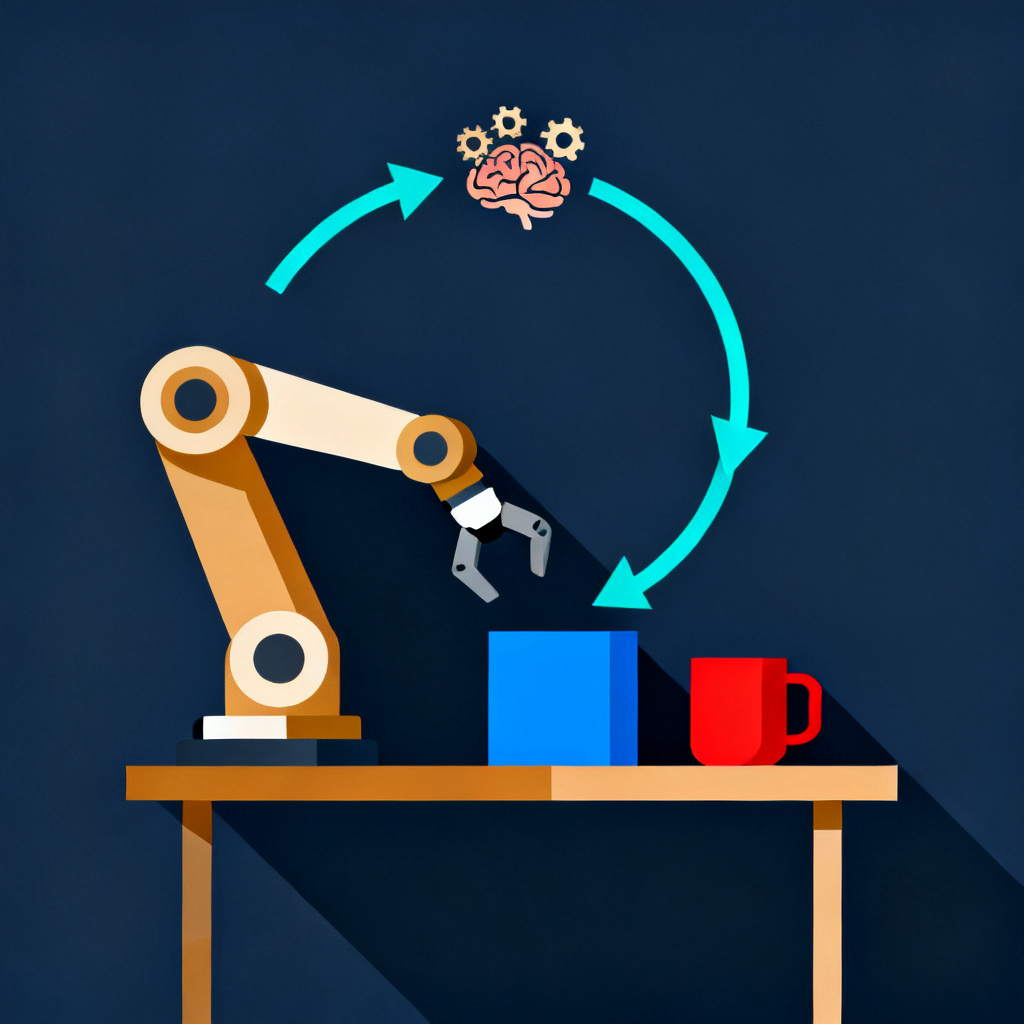
AutoRT: Embodied Foundation Models for Large Scale Orchestration
Uses an LLM to propose diverse tasks filtered by safety, enabling large-scale real-world robot data collection in offices.
 02Seedream 4.0
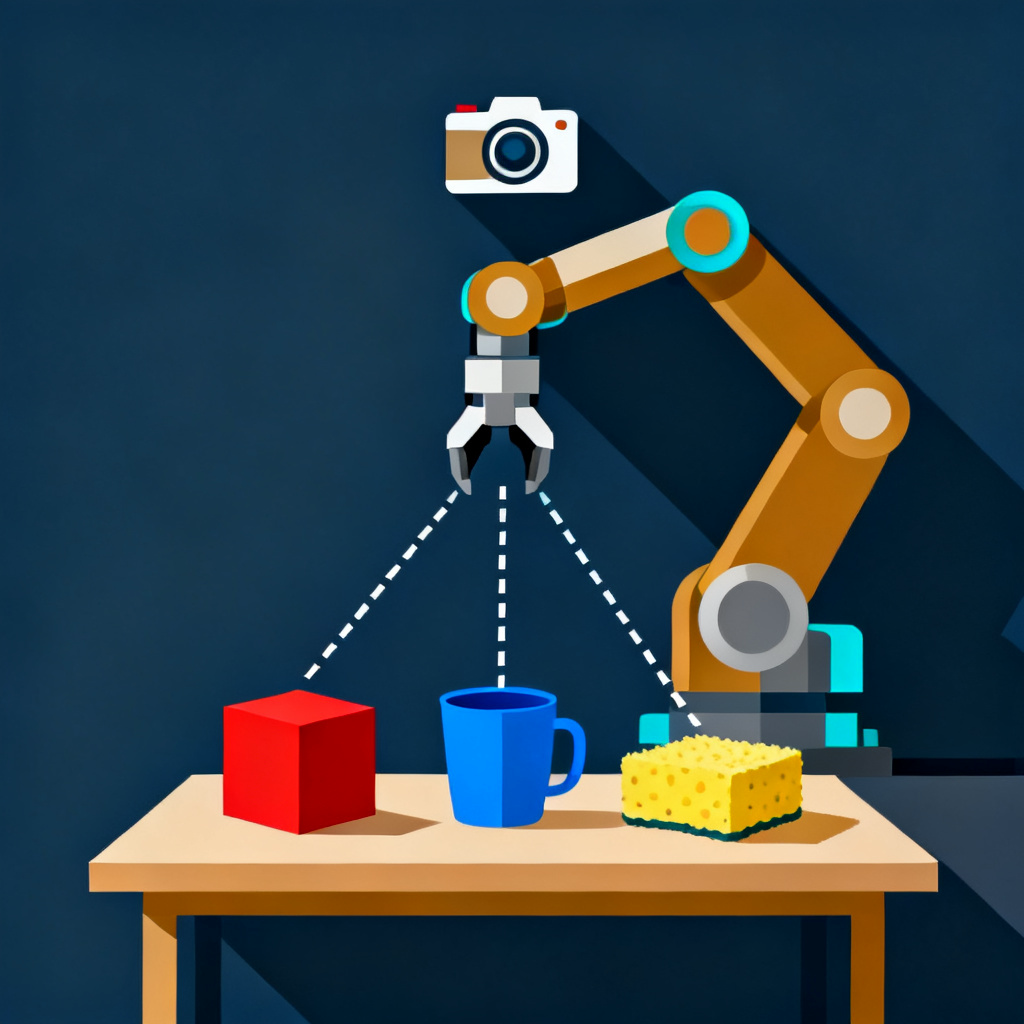
RoboCat: A Self-Improving Foundation Agent for Robotic Manipulation
A generalist agent that adapts to new robotic tasks from ~100 demos and self-improves by generating its own practice data.
 03Seedream 4.0
RT-1: Robotics Transformer for Real-World Control at Scale
A transformer policy trained on 130k robot episodes maps images and language to discretized actions for hundreds of tasks.
 04Seedream 4.0
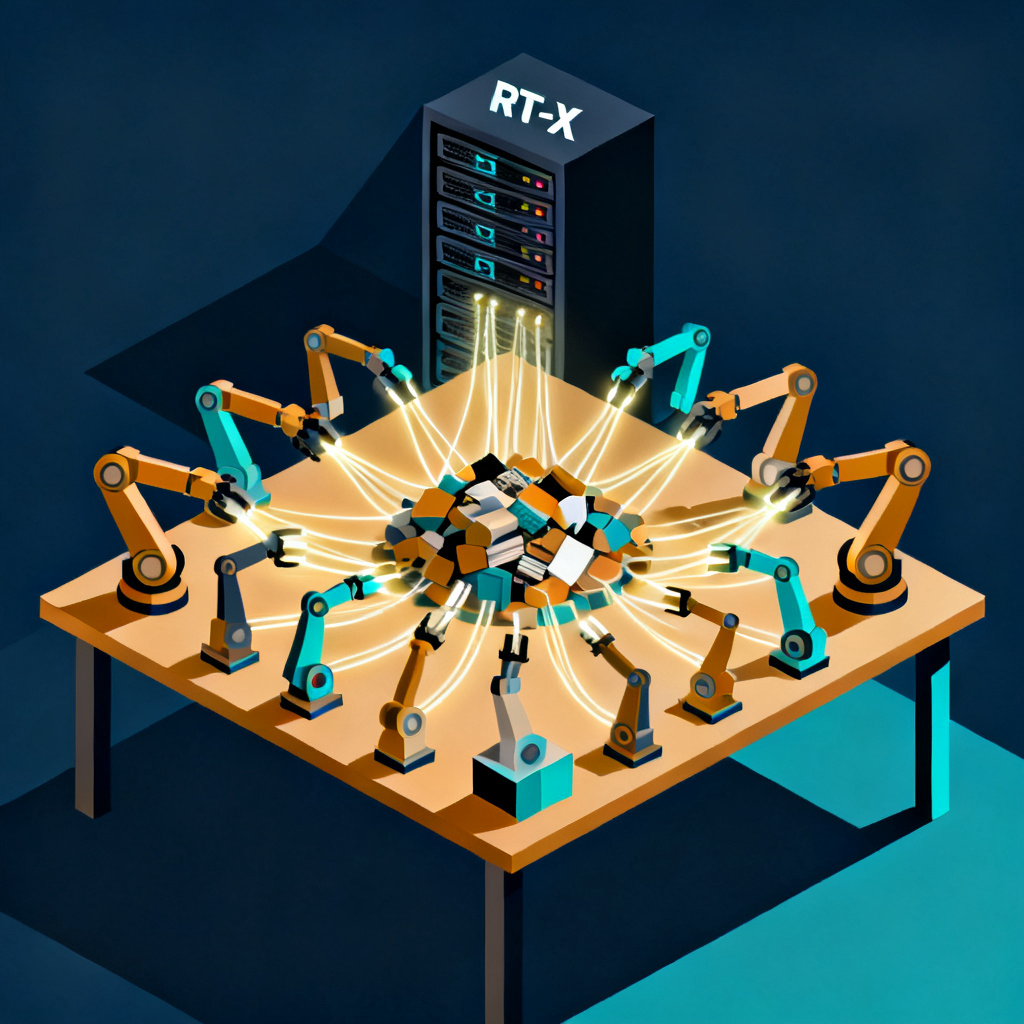
RT-2: Vision-Language-Action Models Transfer Web Knowledge to Robotic Control
Co-fine-tunes a web-scale vision-language model on robot trajectories so the resulting vision-language-action model inherits internet knowledge and generalizes to unseen objects and instructions.
 05Seedream 4.0
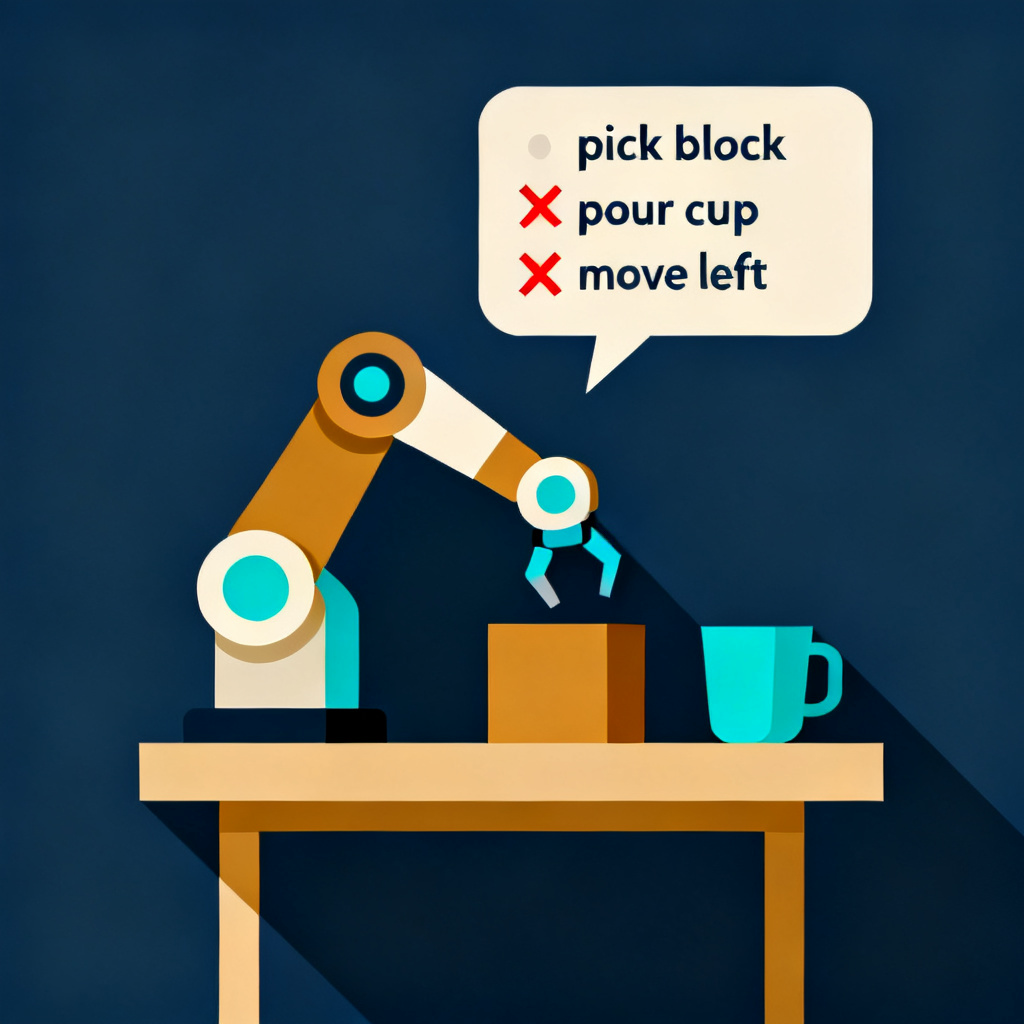
Open X-Embodiment: Robotic Learning Datasets and RT-X Models
Aggregates 1M+ trajectories from 22 robots; cross-embodiment RT-X policies achieve positive transfer.
 06Seedream 4.0
Do As I Can, Not As I Say: Grounding Language in Robotic Affordances
Grounds large language model plans in robot affordances, so robot executes only feasible steps and replans upon failure.
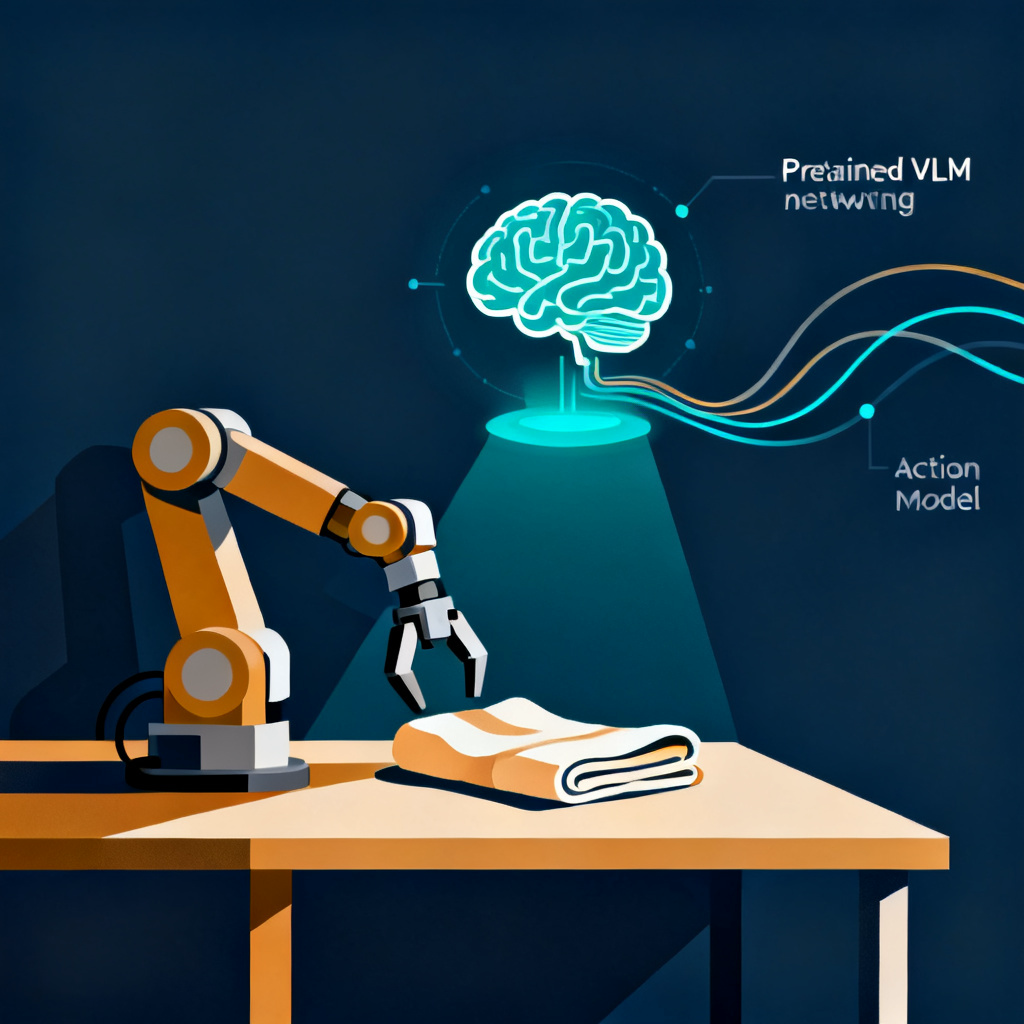 07Seedream 4.0
π0: A Vision-Language-Action Flow Model for General Robot Control
A 3B-parameter vision-language-action model using flow-matching for dexterous multi-robot control, fine-tuned from a pretrained VLM.
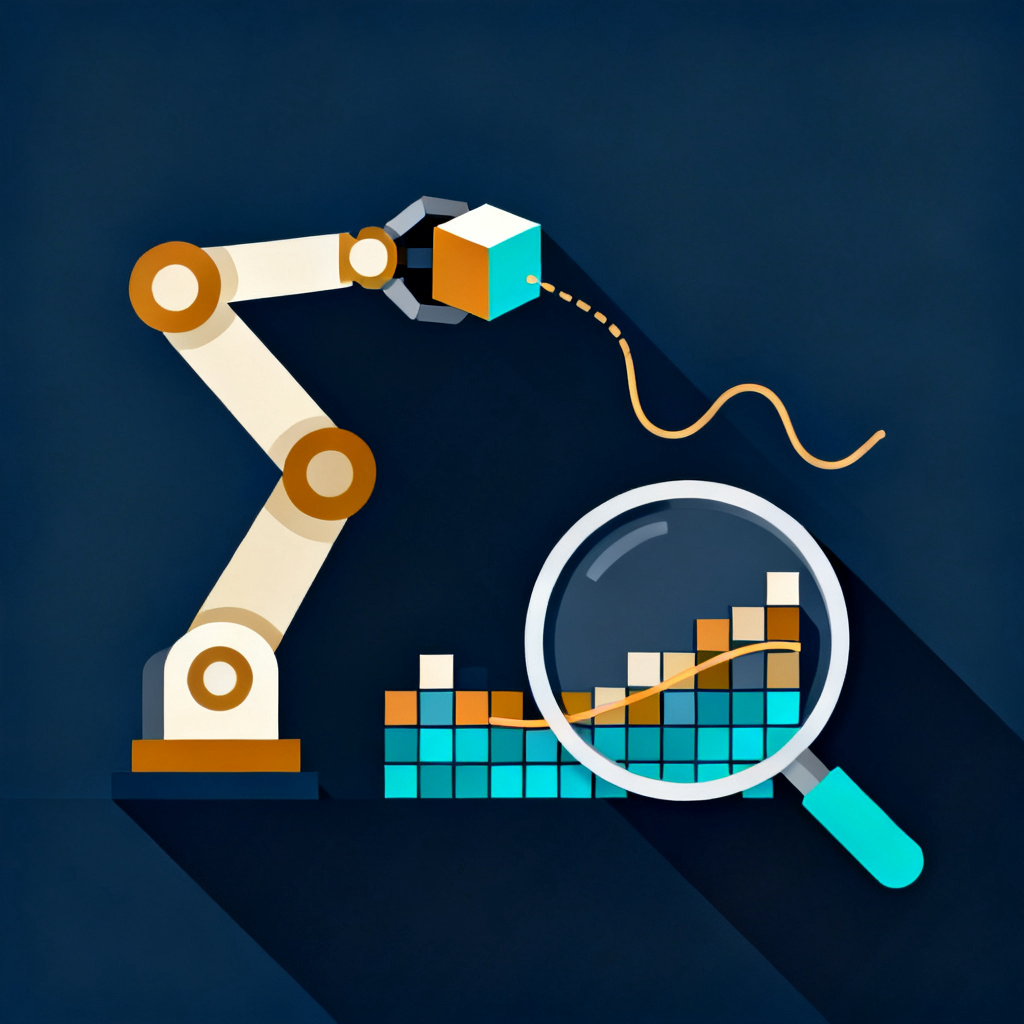 08Seedream 4.0
FAST: Efficient Robot Action Tokenization
FAST tokenizes continuous robot actions into discrete tokens using frequency-domain compression, enabling efficient autoregressive training of vision-language-action models.
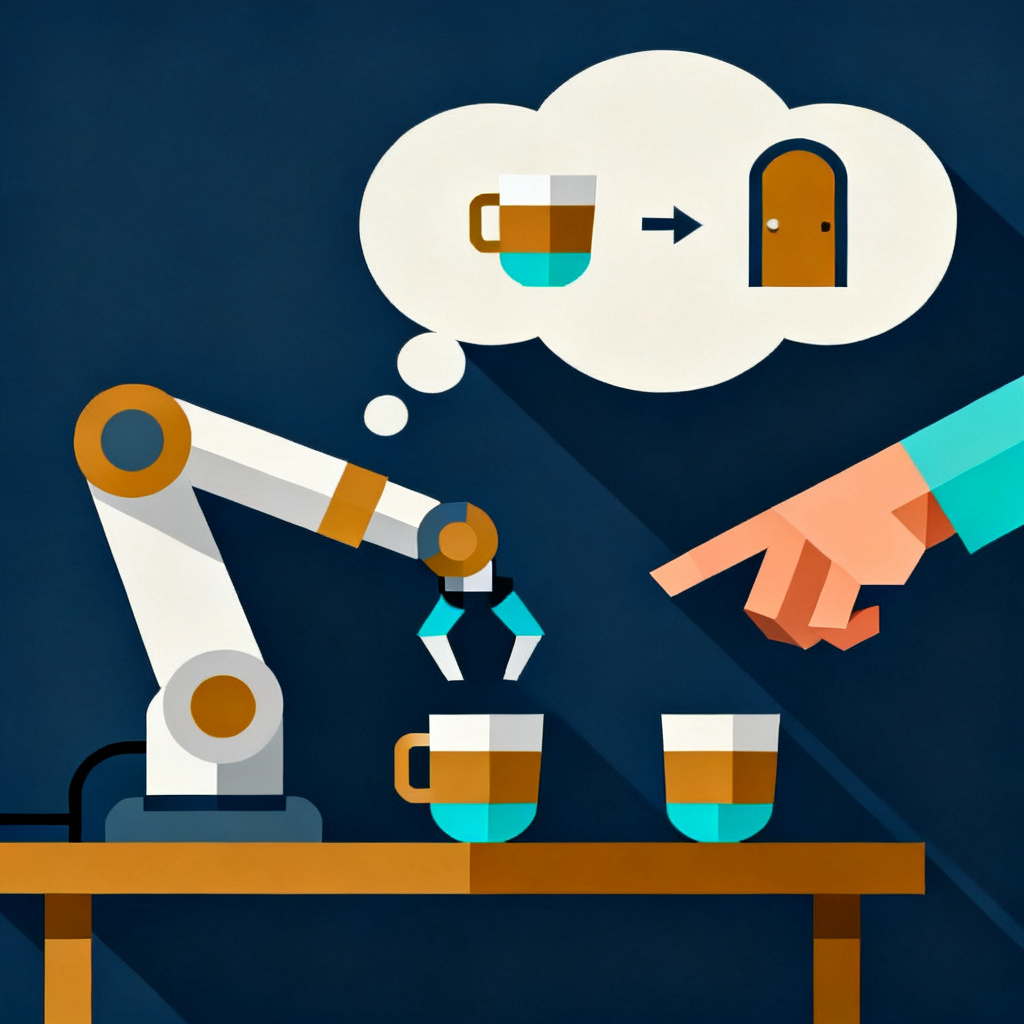 09Seedream 4.0
Teaching Robots to Listen and Think Harder
Two-level system: VLM breaks complex prompts into single steps for π0 low-level policy, trained on synthetic interactions.
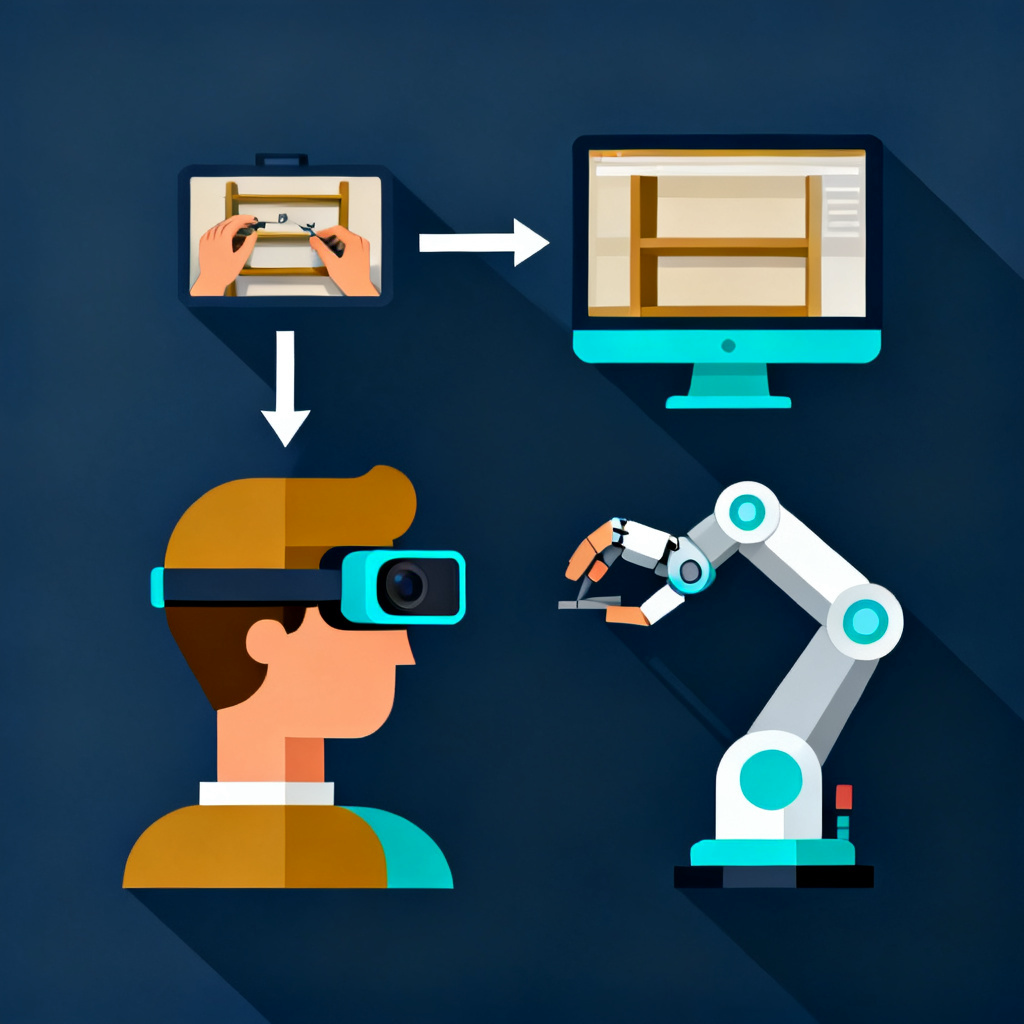 10Seedream 4.0
Emergence of Human to Robot Transfer in VLAs
Co-fine-tuning a scaled VLA on egocentric human video transfers to robot behavior, with emergence as robot data grows, improving 2x where scarce.
 11Seedream 4.0
VLAs that Train Fast, Run Fast, and Generalize Better
Knowledge insulation stops action expert gradients from overwriting the VLM backbone, enabling fast training and strong generalization.
 12Seedream 4.0
VLAs with Long and Short-Term Memory
Multi-scale memory stores video clips and language summaries, enabling robots to complete 15-minute tasks and recover from errors.
 13Seedream 4.0
Real-Time Action Chunking with Large Models
Real-time action chunking for diffusion-based VLAs generates next chunk while previous executes, eliminating discontinuities without training changes.
 14Seedream 4.0
Precise Manipulation with Efficient Online RL
RL tokens compress VLA state for a tiny on-robot actor-critic, enabling fast online learning that speeds precise manipulation up to 3x from 15 minutes of data.
 15Seedream 4.0
Isaac Lab: A GPU-Accelerated Simulation Framework for Multi-Modal Robot Learning
NVIDIA’s successor to Isaac Gym provides a single composable GPU-accelerated framework for physics, rendering, and sensor simulation for robot learning.
 16Seedream 4.0
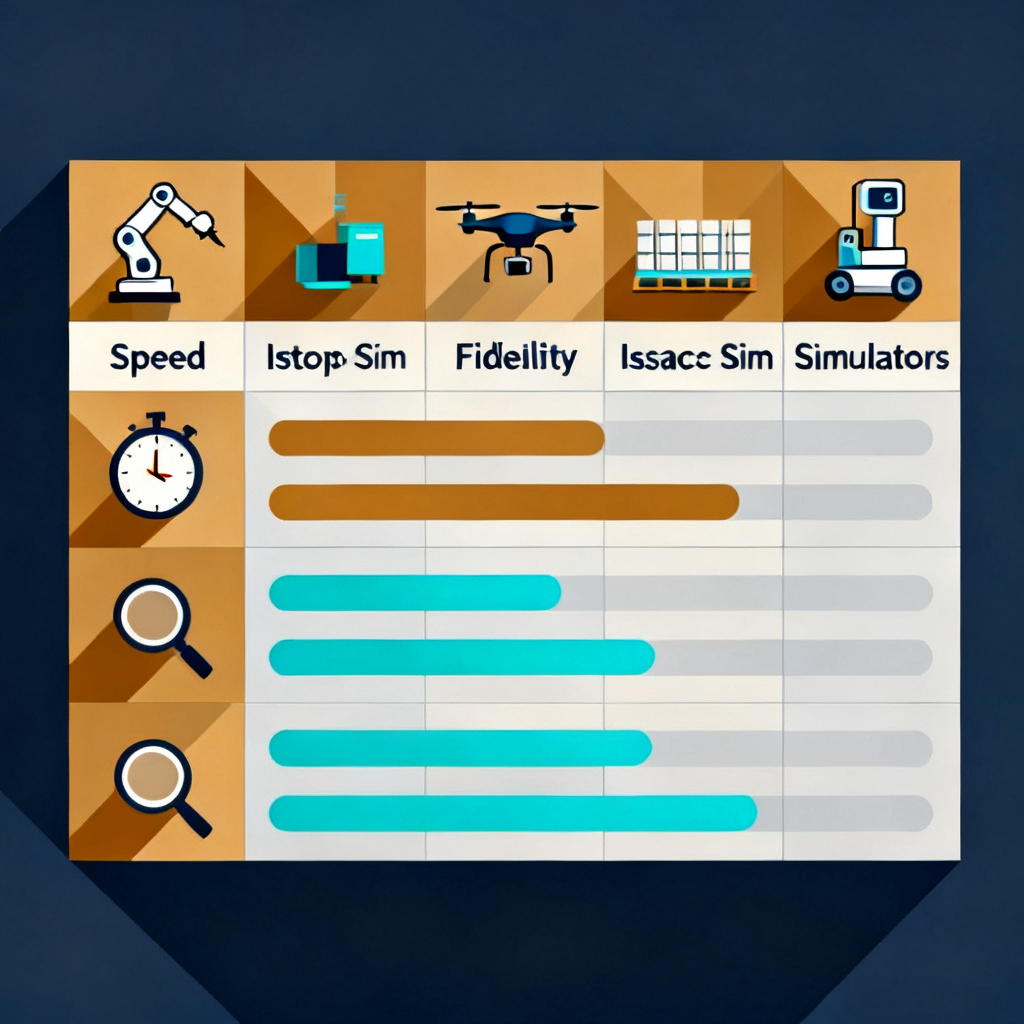
NVIDIA Isaac Sim: Enabling Scalable, GPU-Accelerated Simulation for Robotics
Independent survey reviews Isaac Sim's architecture, compares with other simulators across five robotics domains, and analyses practical limits.
 17Seedream 4.0
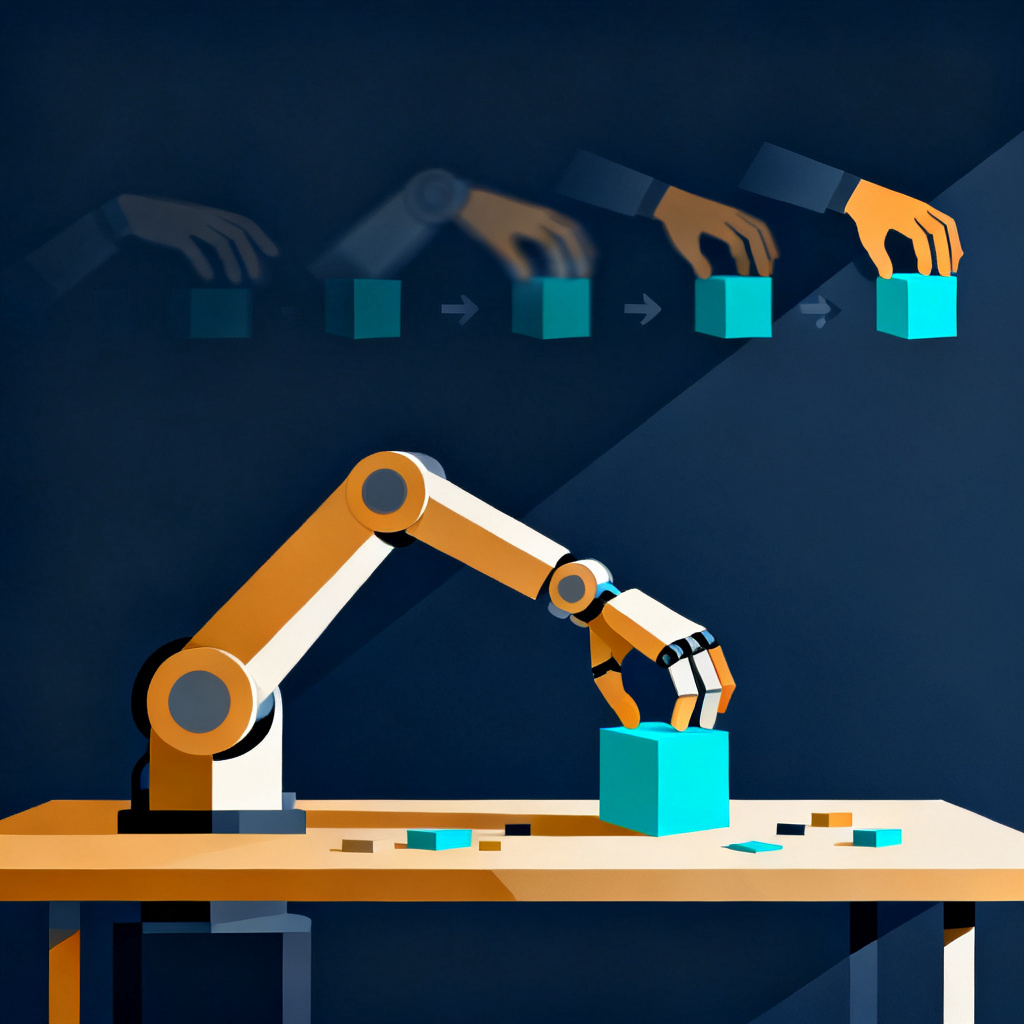
A Careful Examination of Large Behavior Models for Multitask Dexterous Manipulation
Extends Diffusion Policy into Large Behavior Models for multitask dexterous manipulation, finding multitask pretraining improves success, robustness, and data efficiency.
 18Seedream 4.0
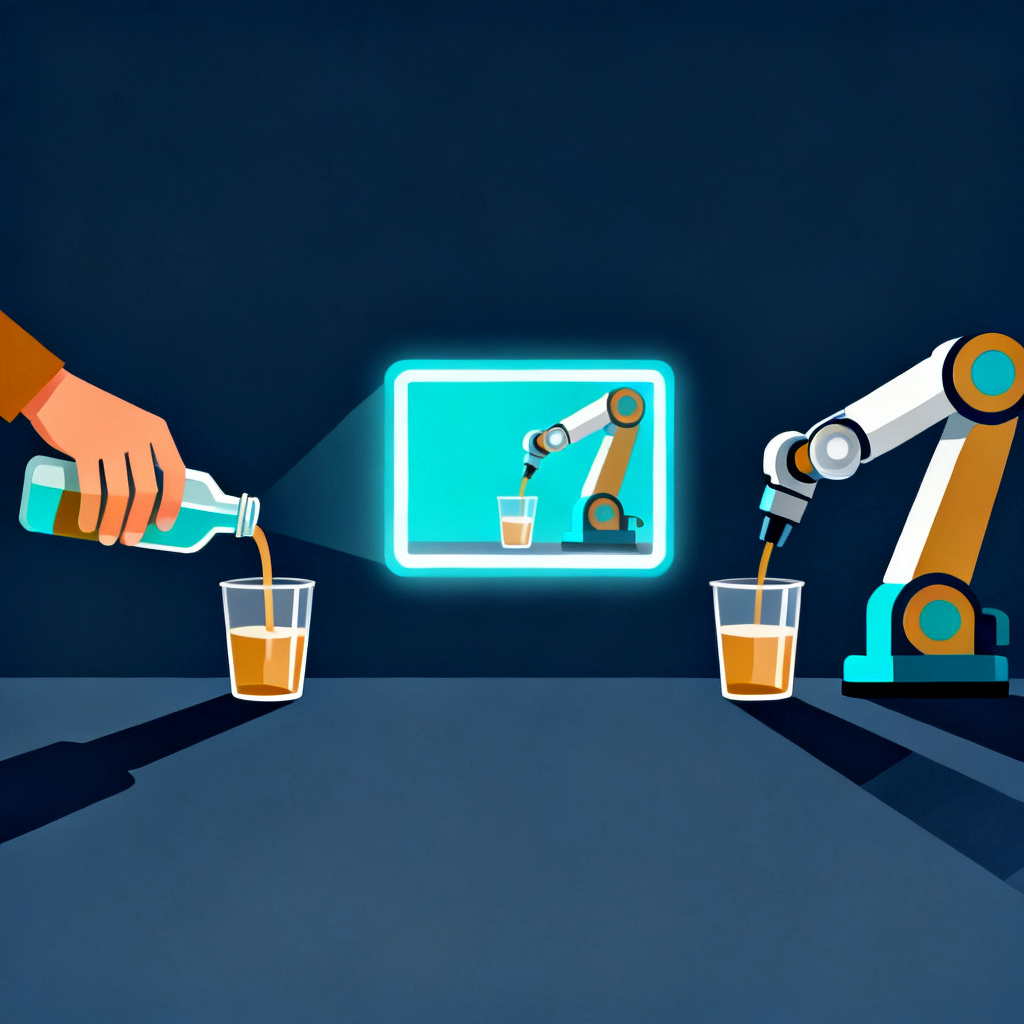
Diffusion Policy: Visuomotor Policy Learning via Action Diffusion
Represents a visuomotor policy as a denoising diffusion process over action sequences conditioned on observations, handling multimodal demonstrations and high-frequency control.
 19Seedream 4.0
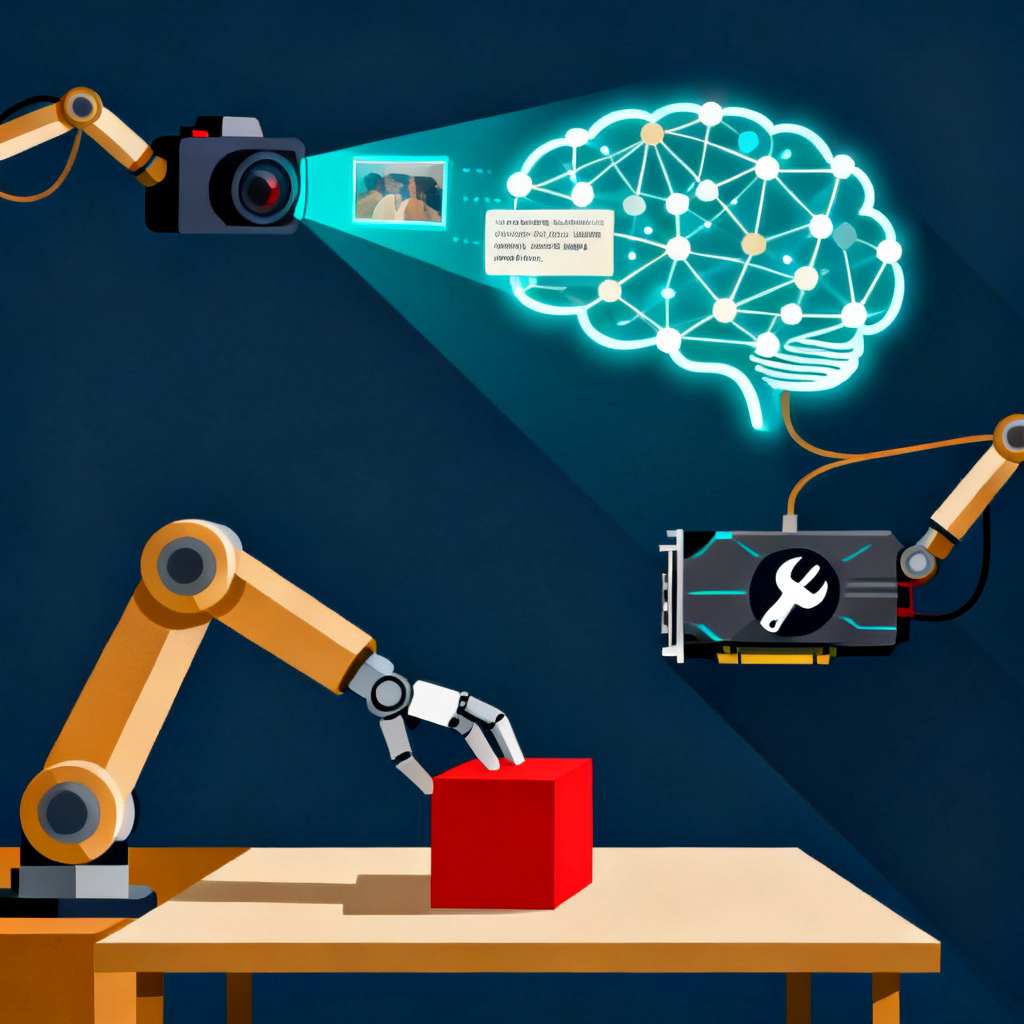
Dreamitate: Real-World Visuomotor Policy Learning via Video Generation
Fine-tunes video diffusion on human demos, uses generated video to control robot in new scenes, bridging human-robot gap.
 20Seedream 4.0
OpenVLA: An Open-Source Vision-Language-Action Model
OpenVLA is a 7B open-weight vision-language-action model trained on 970k robot episodes, enabling fine-tuning for new tasks with modest compute.
 21Seedream 4.0
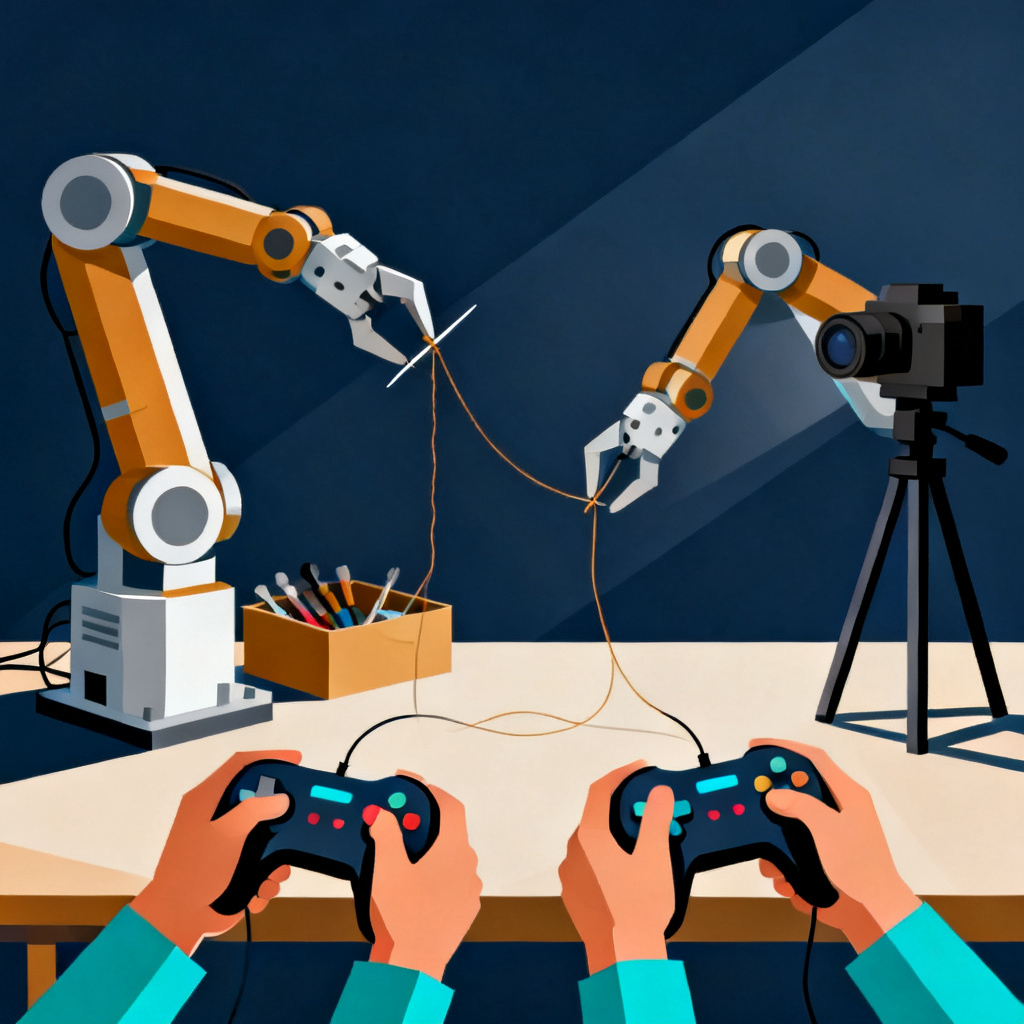
Learning Fine-Grained Bimanual Manipulation with Low-Cost Hardware
Presents ALOHA, a low-cost bimanual teleoperation rig and ACT algorithm for learning fine-grained bimanual manipulation tasks.
 22Seedream 4.0
DexterityGen: Foundation Controller for Unprecedented Dexterity
Pretrains dexterous motion primitives via sim-to-real RL, distills into foundation controller, uses human teleoperation as coarse prompt, improving hold stability 10-100x and enabling pen/syringe/screwdriver use.
 23Seedream 4.0
BridgeData V2: A Dataset for Robot Learning at Scale
Introduces BridgeData V2, an open dataset of 60k multi-task manipulation trajectories across diverse environments for scalable robot learning.
 24Seedream 4.0
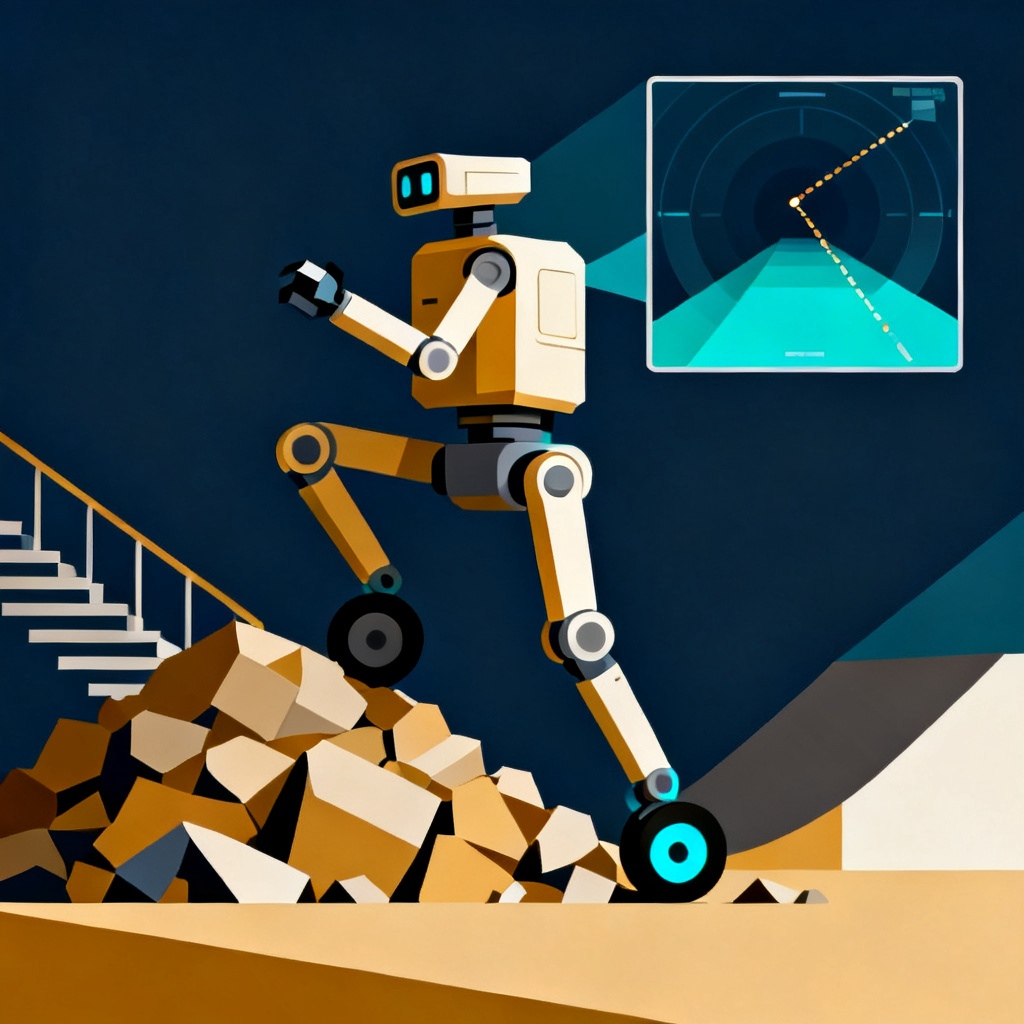
Learning Robust Autonomous Navigation and Locomotion for Wheeled-Legged Robots
Learns robust autonomous navigation and locomotion for wheeled-legged robots using onboard vision and proprioception.
 25Seedream 4.0
Learning High-Speed Flight in the Wild
Trains a neural network to fly a quadrotor at high speed through forest trails using only onboard vision and no pre-built map.
 26Seedream 4.0
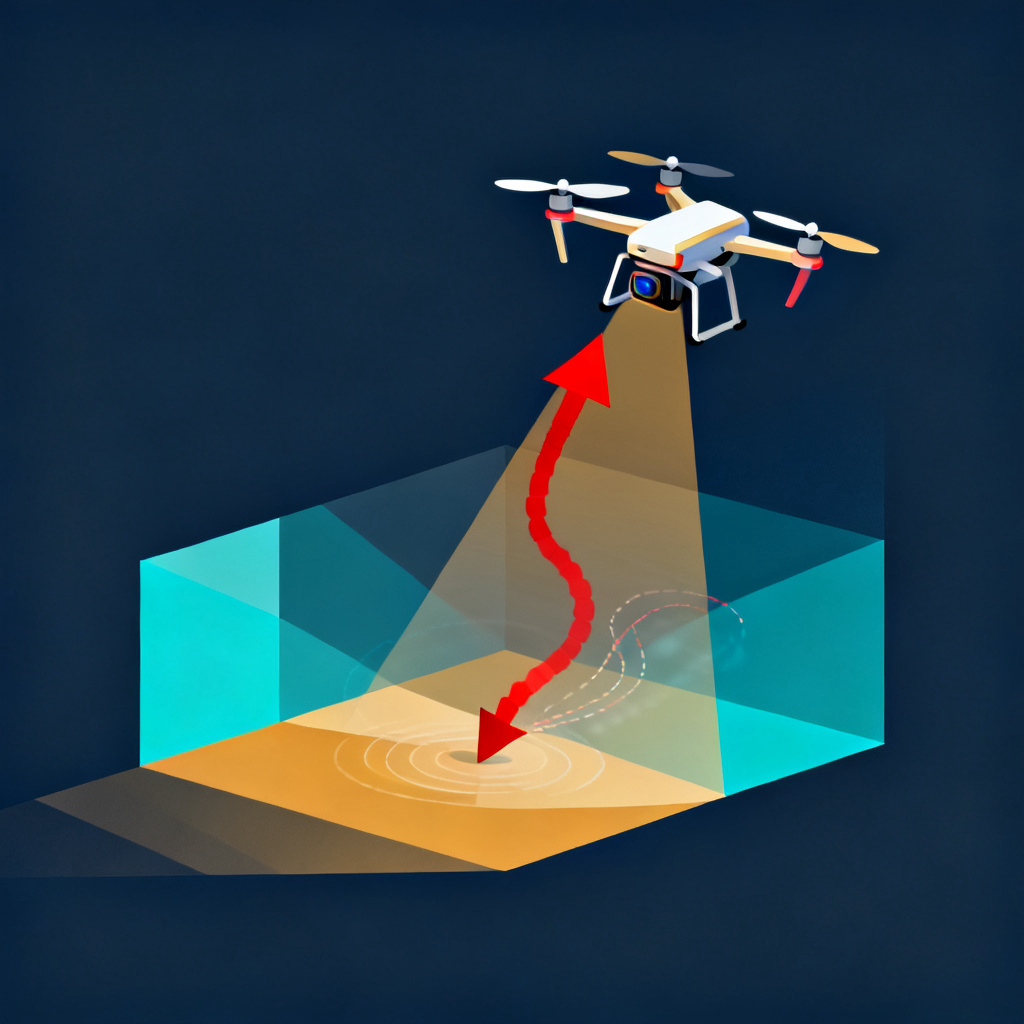
Learning Quadrotor Control From Visual Features Using Differentiable Simulation
Trains quadrotor recovery policies via differentiable simulation, learning from visual features in minutes.
 27Seedream 4.0
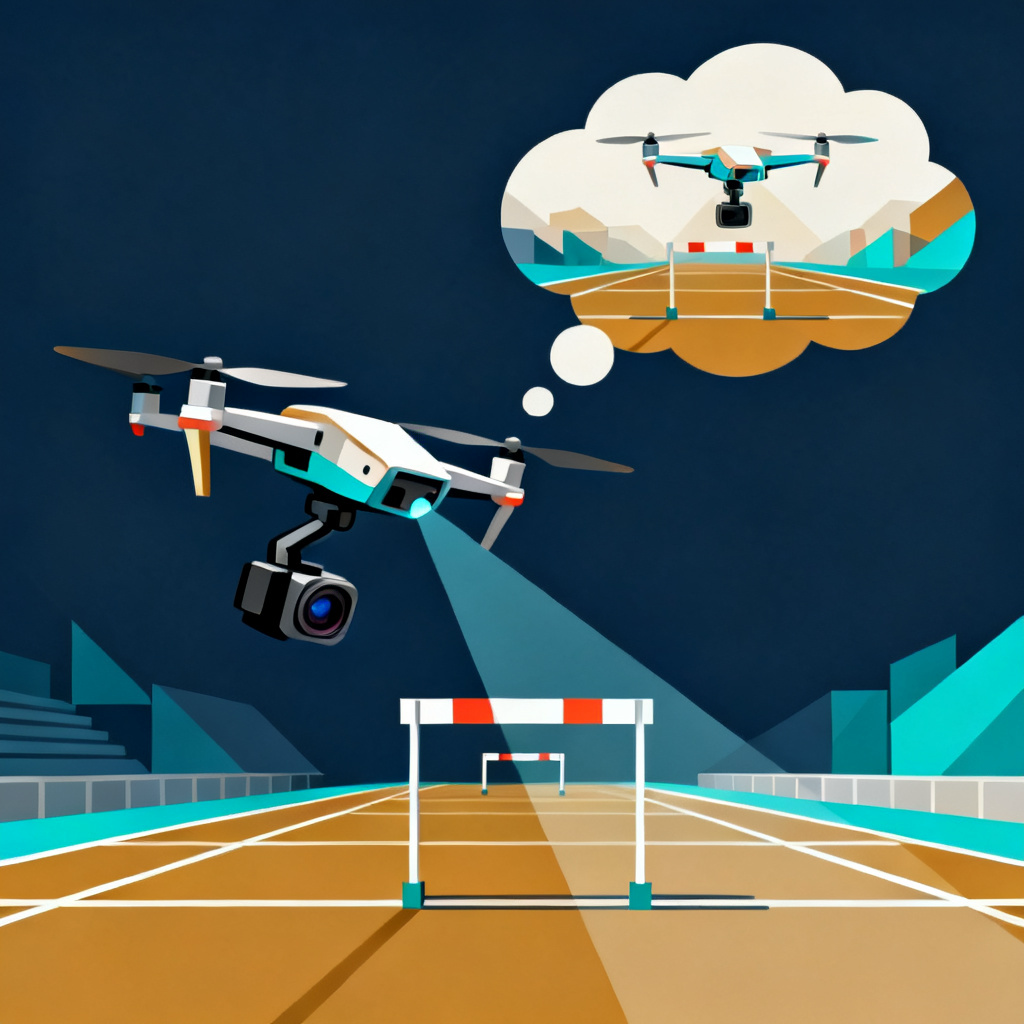
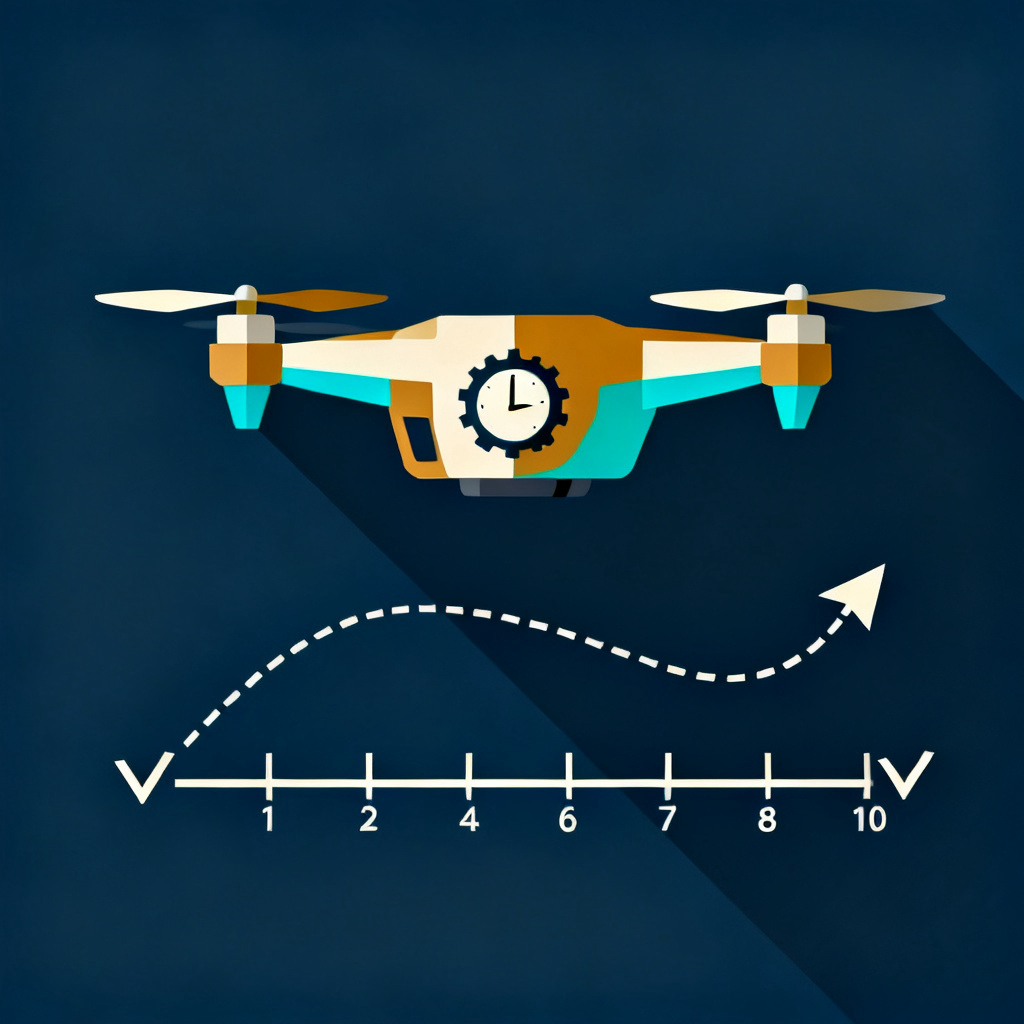
Dream to Fly: Model-Based Reinforcement Learning for Vision-Based Drone Flight
Applies DreamerV3 model-based RL to learn vision-based drone racing policies from pixels, reaching 9 m/s on real hardware with emergent gate-tracking.
 28Seedream 4.0
Learning Agile Quadrotor Flight in the Real World
Adaptive temporal scaling and online residual learning achieve 7.3 m/s agile quadrotor flight in 100 seconds.
 29Seedream 4.0
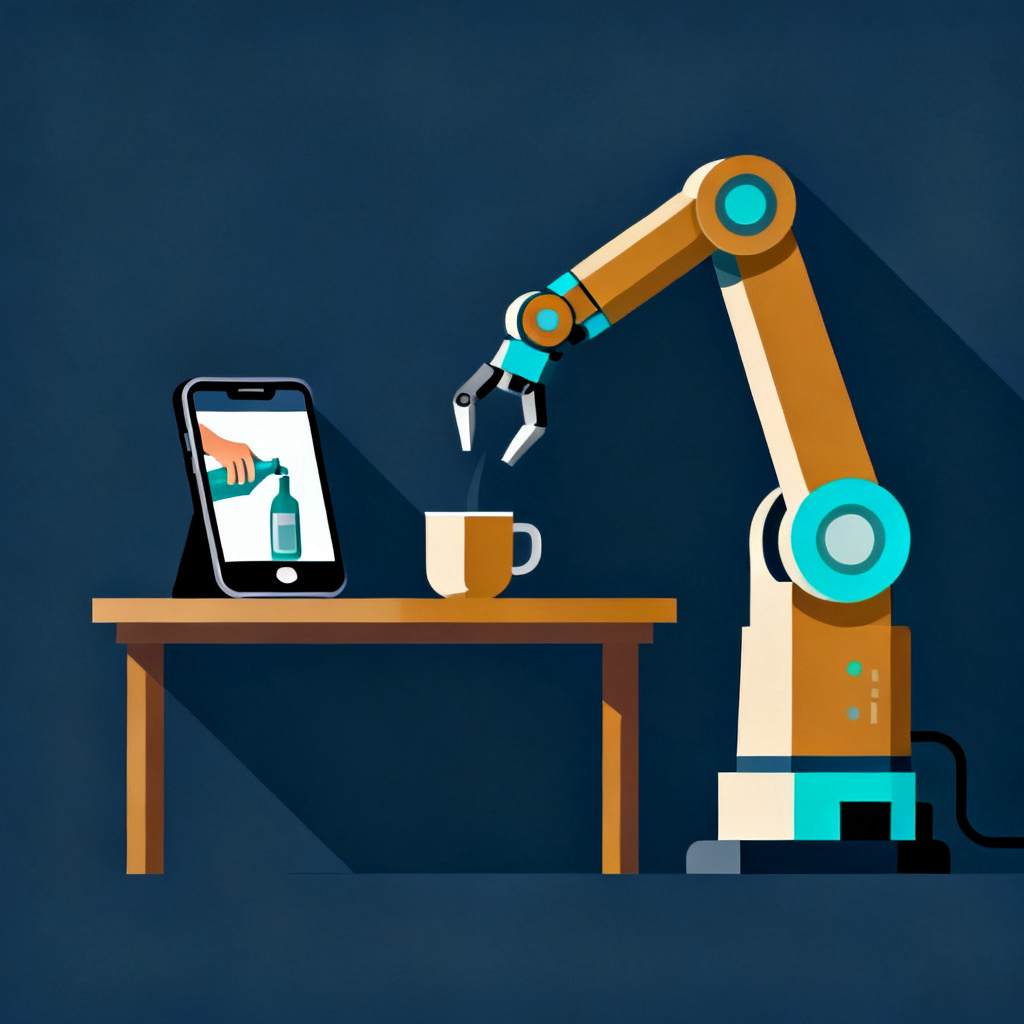
One Model, Any Scenario: End-to-end Locomotion from Vision
A vision-to-motor policy that handles walking, stairs, and obstacles without mapping or behavior switching.
 30Seedream 4.0
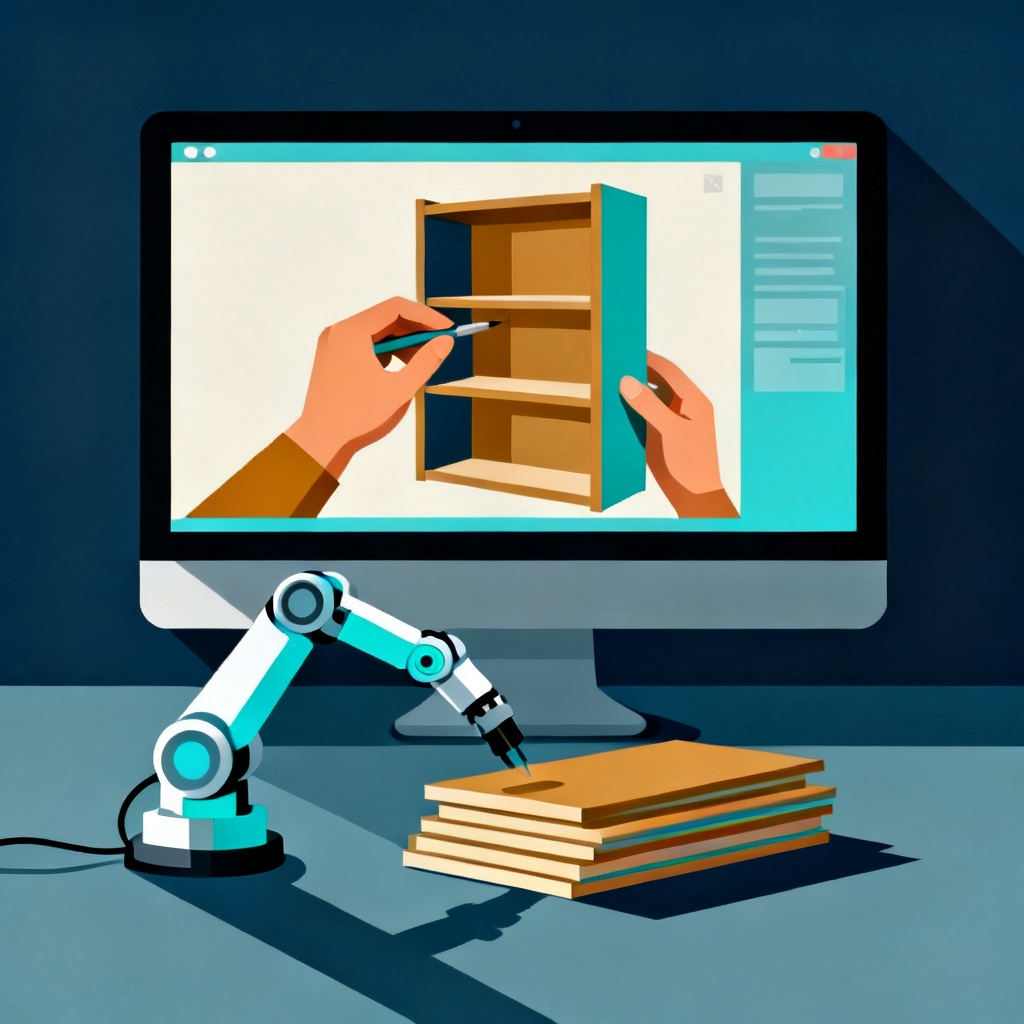
S1: In-Context Learning for Robotics
S1 introduces in-context learning for robotics: a single video prompt specifies tasks, including unseen ones over ~10 minutes, with no weight updates and ~96% accuracy on seen tasks.
 31Seedream 4.0
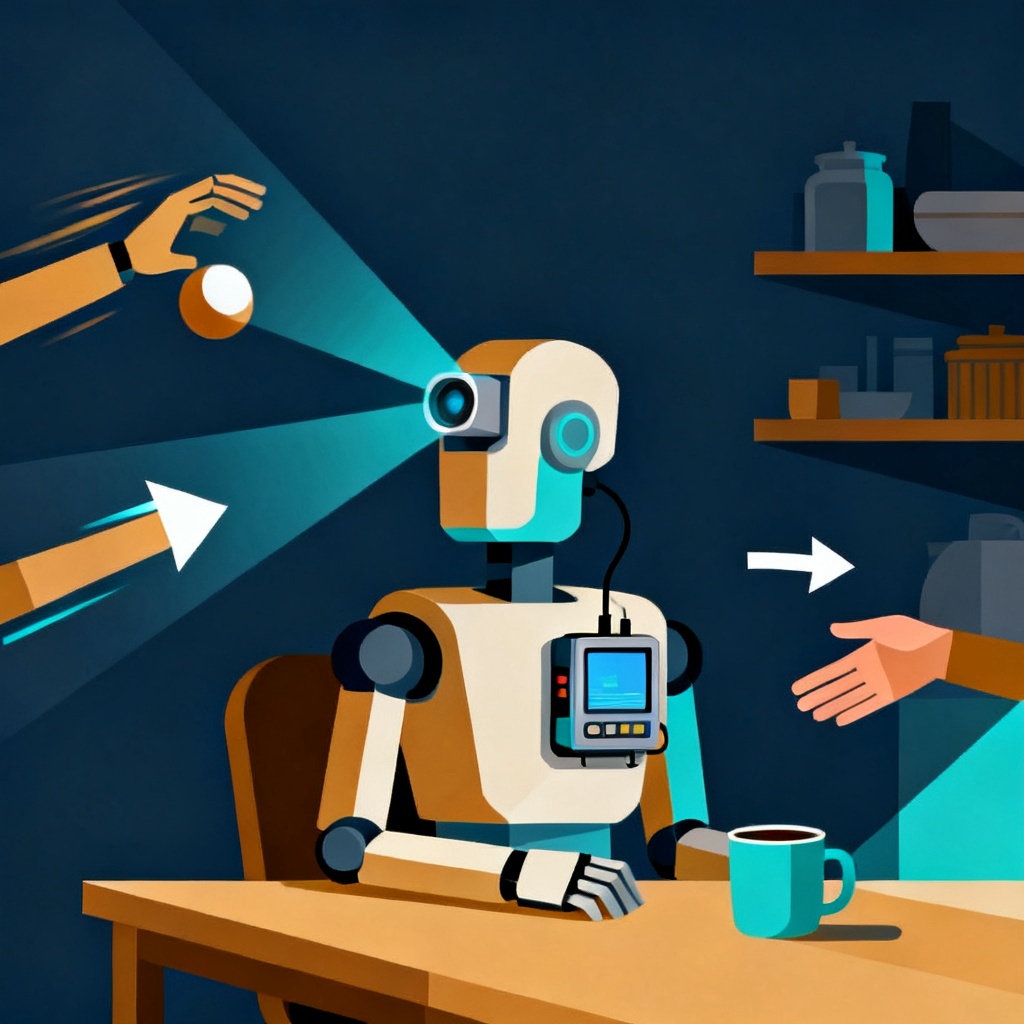
Learning by Watching Human Videos
Finetunes omni-bodied robot model on human videos and minimal robot data to acquire new skills, bypassing teleoperation's diversity and scale limits.
 32Seedream 4.0
Helix: A Vision-Language-Action Model for Generalist Humanoid Control
A single VLA controls a humanoid's upper body from pixels via dual-rate system on onboard hardware.
 33Seedream 4.0
Scaling Helix: A New State of the Art in Humanoid Logistics
Adds vision memory, state history, and force feedback, scaling demos from 10 to 60 hours for 4.05s/package at 95% barcode success on live conveyor.
 34Seedream 4.0
Project Go-Big: Internet-Scale Humanoid Pretraining and Direct Human-to-Robot Transfer
Collects 100K+ home human egocentric videos; zero-shot transfers human navigation to humanoid robot without demos.
 35Seedream 4.0
Introducing Helix 02: Full-Body Autonomy
Helix 02 replaces hand-coded full-body control with a learned neural system for continuous multi-minute real-world tasks like loading a dishwasher.
 36Seedream 4.0
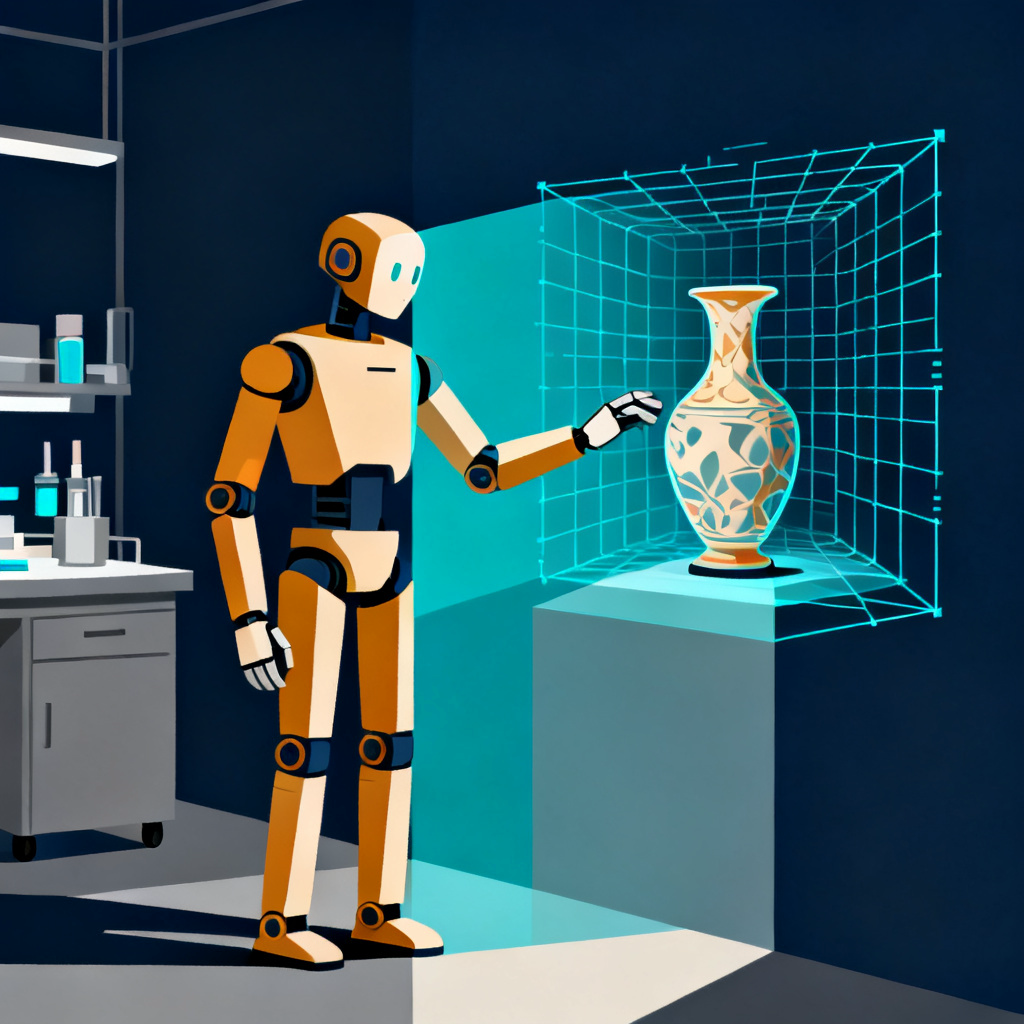
1X World Model: Evaluating Bits, not Atoms
Trains a video world model on humanoid data to evaluate policies in simulation, predicting real-world task success without hardware.
 37Seedream 4.0
NEO's Hands: An API to the Physical World
A 25-DoF tendon-driven hand with force transparency, tactile skin, and reflex robustness for the NEO humanoid.
 38Seedream 4.0
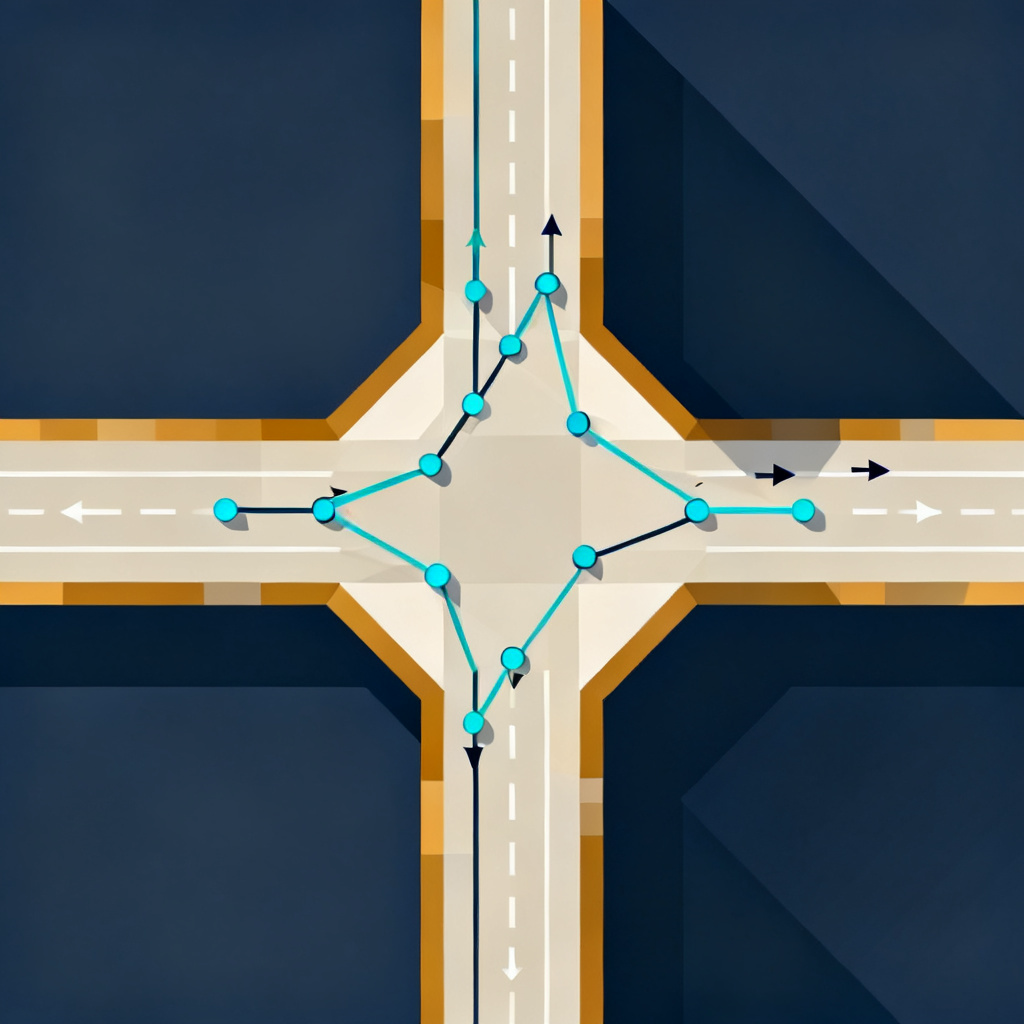
VectorNet: Encoding HD Maps and Agent Dynamics from Vectorized Representation
Replaces raster HD maps with vectorized graph nodes for efficient agent trajectory prediction.
 39Seedream 4.0
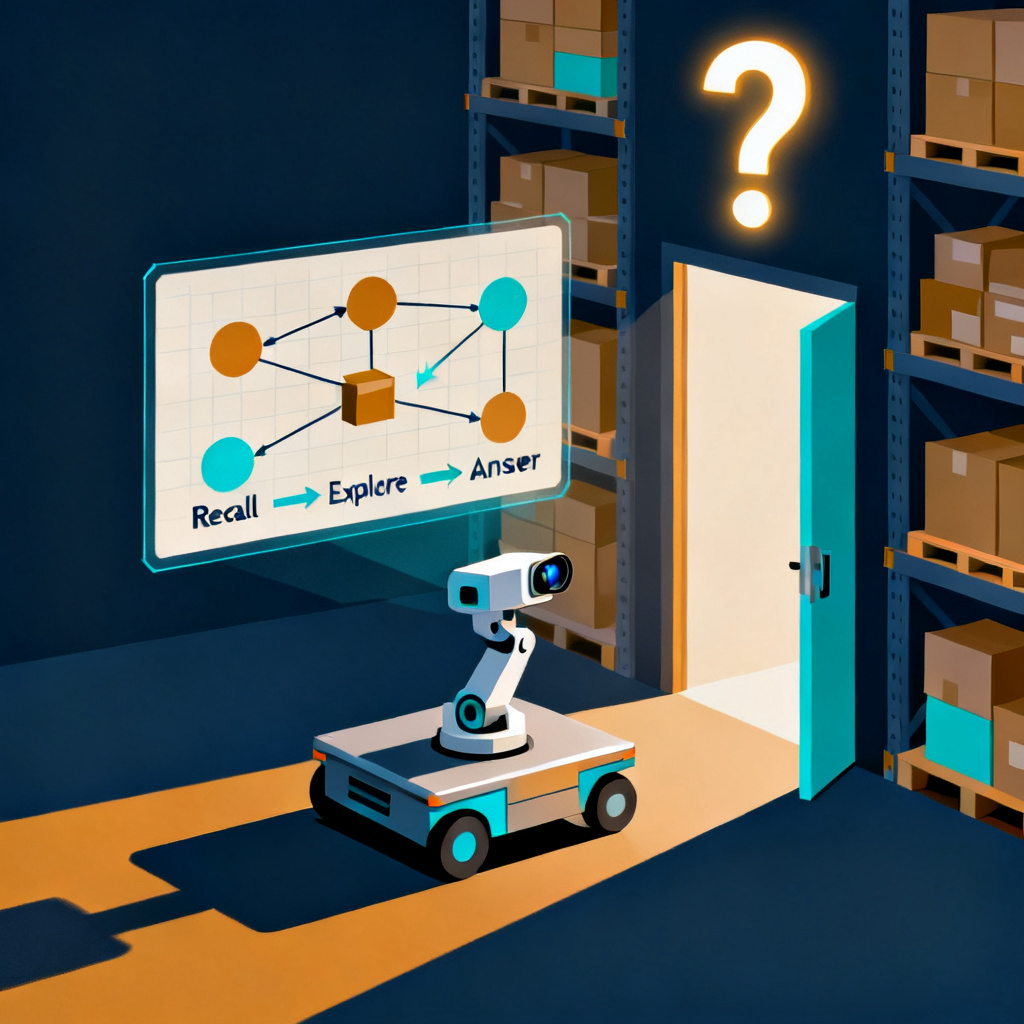
Enter the Mind Palace: Long-term Active Embodied Question Answering
Defines long-term active embodied QA with scene-graph memory and value-of-information stopping for autonomous recall, explore, or answer decisions.
 40Seedream 4.0
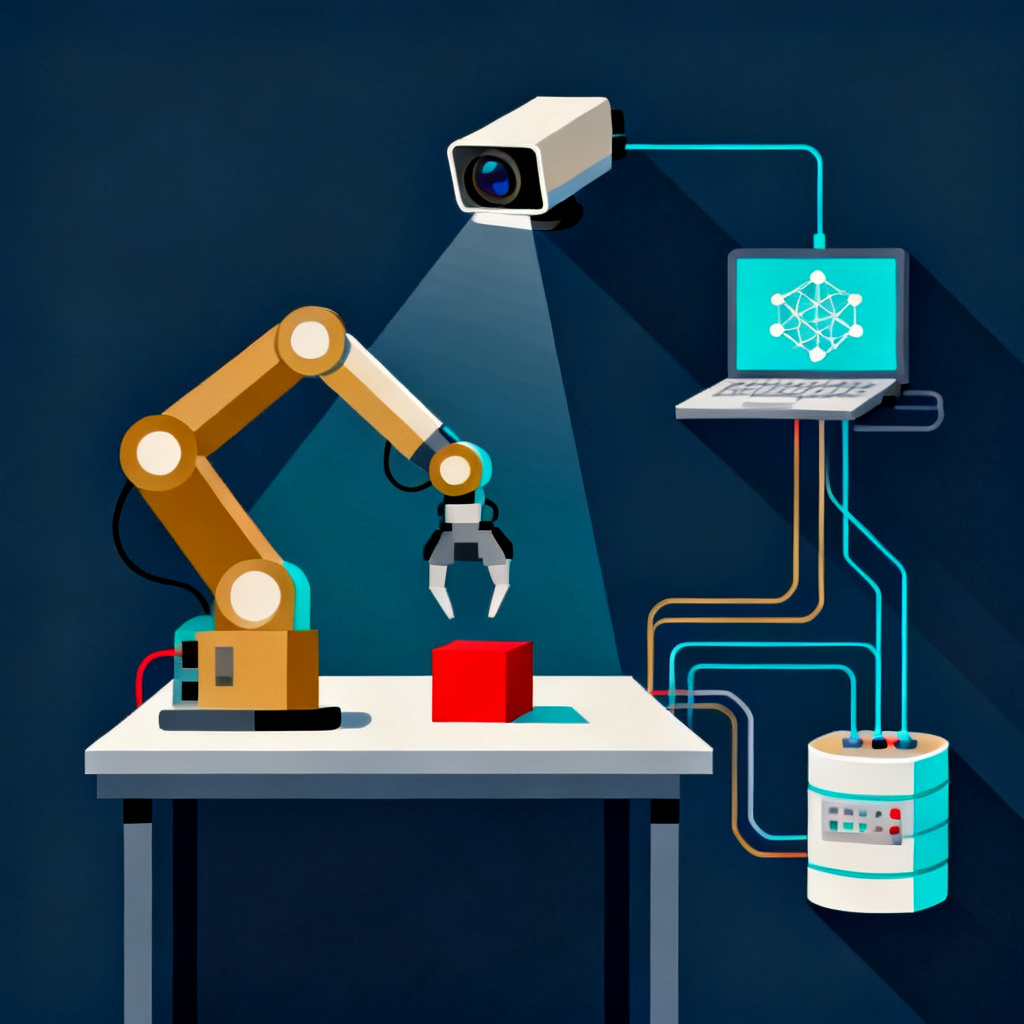
LeRobot: An Open-Source Library for End-to-End Robot Learning
An open-source library covering the full robot learning pipeline: motor middleware, dataset collection/streaming, imitation/RL algorithms, and inference on accessible hardware.
 41Seedream 4.0
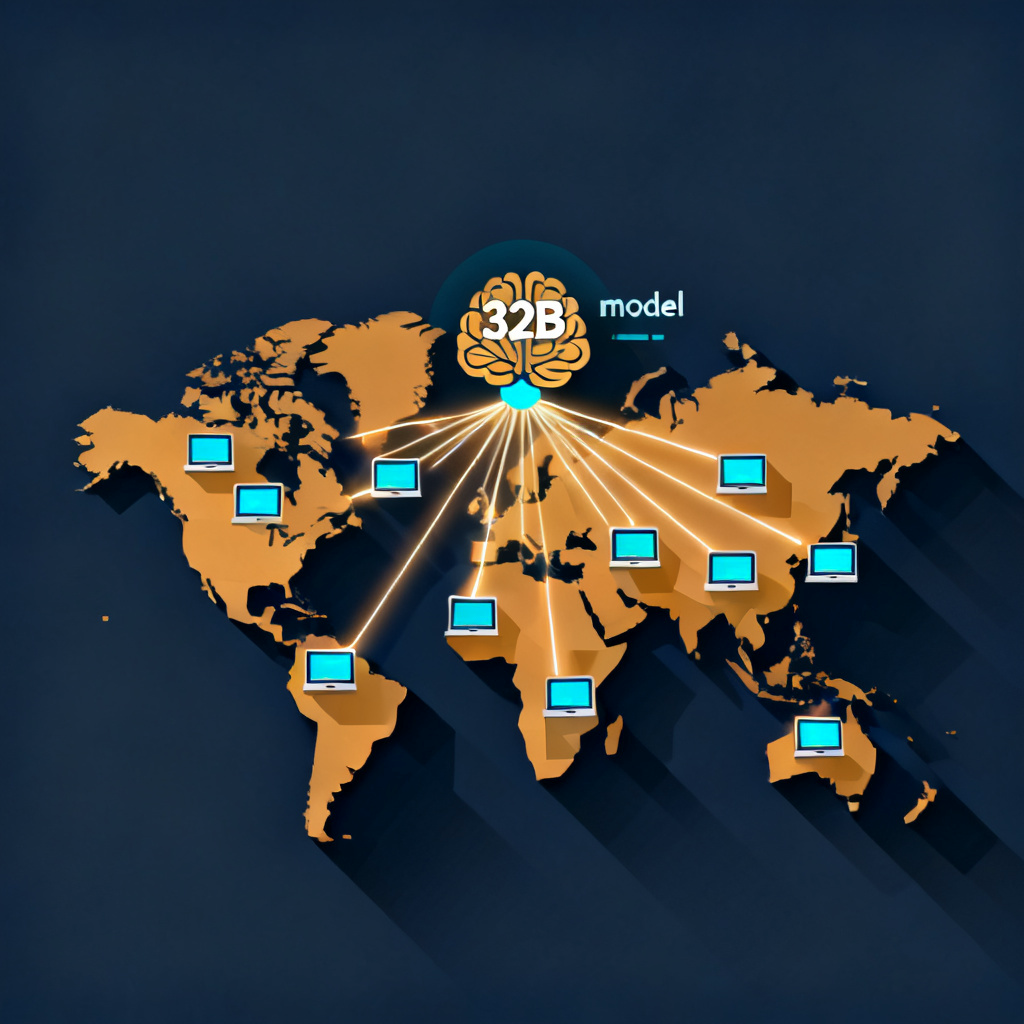
INTELLECT-2: Globally Distributed Reinforcement Learning
Trains a 32B reasoning model with reinforcement learning across globally distributed, permissionless compute.
Evidence first. Model second. Brand never.
Labs are shortlisted on sustained output, current activity, field-shaping systems, breadth and verifiable primary sources. Every paper links to its official page. Marketing and funding claims are not evidence.
npm run discover scans Hugging Face Papers, arXiv, Semantic Scholar and OpenAlex, dedupes against the atlas, and screens each candidate. Screening and classification are typed judgments from TypeSafe jev-latest: relevance, domain, significance, real hardware, open artifacts, survey and foundation-model use come back as calibrated probabilities. The thresholds that turn them into filters live in code, so they can change without re-running the model.
For every kept paper deepseek-ai/DeepSeek-V4-Flash writes a structured brief — tl;dr, what changed, plain-English “so what”, industry note, keywords and an illustration brief — and seedream-4-0-250828 renders that brief through the GMI Studio queue in one house style. No text is allowed in the image. Anything a model wrote, drew or judged carries an acid chip.
The live feed pulls public Hugging Face Papers metadata and can brief any paper on demand. Re-running npm run enrich, npm run discover or npm run classify only fills gaps, so nothing is regenerated by accident.